
5 Proven Ways to Land Monster Fish on Mysore Fishing Trips
%2Ffit-in%2F1000x1000%2Ffilters%3Aformat(webp)%2Fusers%2Ff9d1d847-248f-47c5-9ca6-4b0acf529895%2Fprofile%2F1752574635911-md4dzyhr.jpeg&w=1920&q=75)
Updated: September 20, 2026
5 Proven Ways to Land Monster Fish on Your Next Mysore Fishing Trip
The waters around Mysore hold some of Karnataka's most impressive freshwater species, but landing the big ones requires more than luck. Professional guides and experienced anglers have developed specific techniques that consistently produce trophy catches in these productive fishing grounds. Whether you're targeting massive catfish in the Cauvery River or hunting for prize carp in the region's numerous lakes and reservoirs, these five proven methods will dramatically improve your success rate on Mysore fishing trips.
Master the Art of Early Morning and Late Evening Sessions
The most successful fishing charters Mysore operators will tell you that timing makes the difference between going home empty-handed and landing the fish of a lifetime. Monster fish are predominantly crepuscular feeders, meaning they're most active during the low-light periods of dawn and dusk.
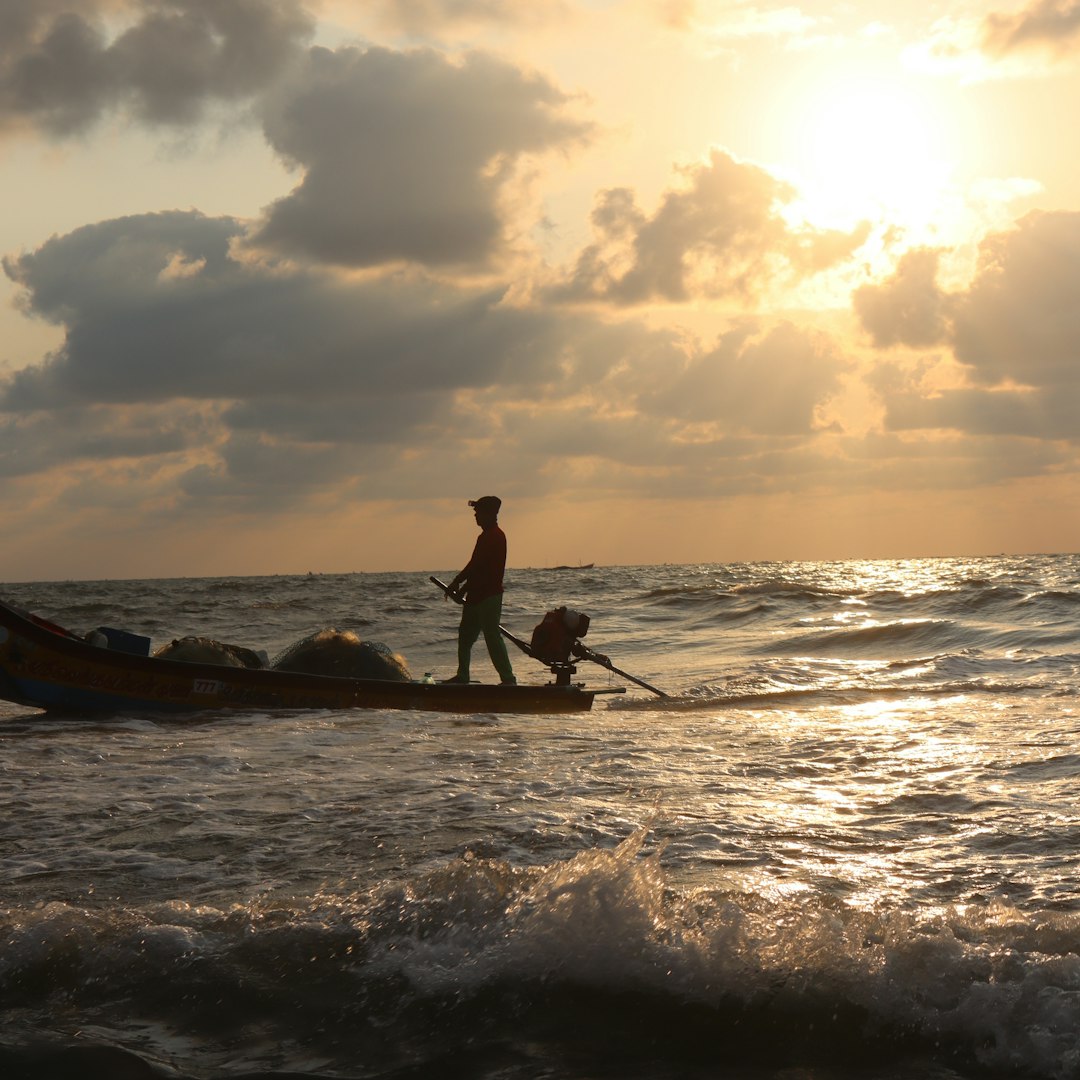
During these golden hours, water temperatures are optimal and larger predatory fish move into shallower areas to hunt. Professional guides consistently report their biggest catches between 5:30-7:30 AM and 6:00-8:00 PM. The reduced boat traffic during these times also means less disturbance, encouraging trophy fish to venture from their deeper hiding spots.
Plan your fishing sessions around these peak feeding windows. Arrive at your chosen spot at least 30 minutes before sunrise to set up your equipment properly. The investment in an early wake-up call pays dividends when you're battling a 20-pound catfish as the sun breaks the horizon.
Strategic Bait Selection for Local Species
Mysore's waters host diverse fish species, each with distinct feeding preferences. Generic baits won't cut it when you're targeting monster specimens. Local fishing guides have identified specific bait combinations that trigger aggressive strikes from the region's largest fish.
For massive catfish in the Cauvery River system, live or fresh-cut fish works exceptionally well. Rohu chunks, small carp, or even chicken liver can provoke strikes from specimens exceeding 15 pounds. Carp respond strongly to boilies made with local ingredients like jowar and ragi, mixed with aromatic spices that appeal to their sophisticated palate.
Snake-head fish, known locally as murrel, are aggressive predators that can't resist live bait presentations. Small live fish or large earthworms fished near submerged vegetation consistently produce results. The key is matching your bait to the primary food source in each specific water body.
Equipment That Can Handle the Fight
Monster fish don't earn their reputation by giving up easily. Your tackle setup needs to withstand sustained battles with fish that can weigh 20 pounds or more and fight with surprising strength and endurance.
Medium-heavy to heavy action rods in the 7-8 foot range provide the backbone needed for these encounters. Pair them with quality spinning or baitcasting reels that feature smooth drag systems capable of handling long runs. Your drag should be set at approximately 25-30% of your line's breaking strength.
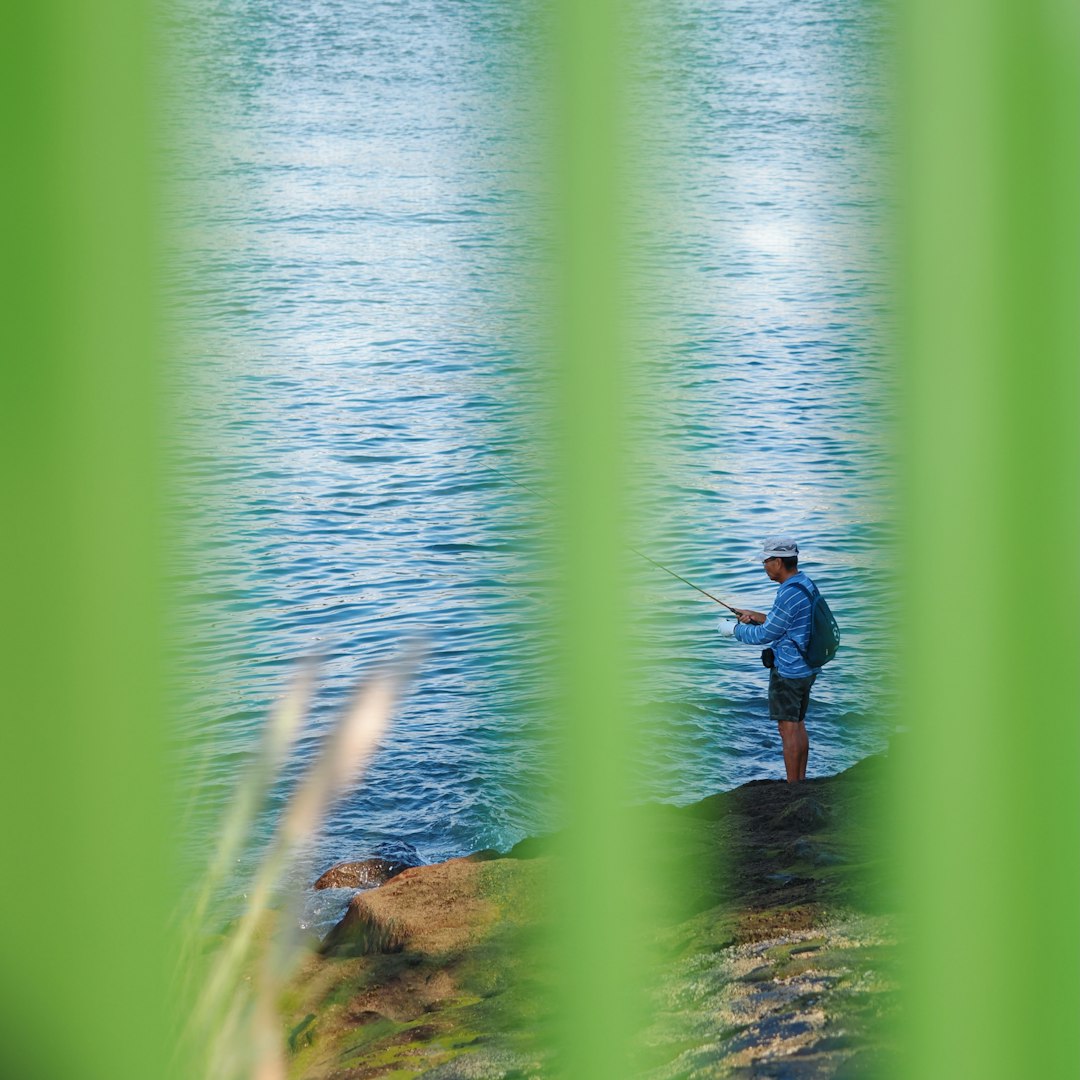
Line selection is critical. Fluorocarbon leaders reduce visibility in clear water conditions, while braided main lines offer superior strength and sensitivity. Don't skimp on hooks – use sharp, high-quality hooks in appropriate sizes for your target species. A dull hook can mean the difference between landing a trophy and watching it swim away.
Location Intelligence: Reading the Water
Experienced fishing guide Mysore professionals understand that monster fish don't randomly distribute themselves throughout water bodies. They occupy specific habitats that provide food, cover, and suitable water conditions.
Focus your efforts around structural elements: submerged rocks, fallen trees, deep pools adjacent to shallow areas, and points where tributaries enter main water bodies. These features concentrate baitfish and provide ambush points for predatory species.
Water depth changes are particularly productive. Look for drop-offs where shallow areas quickly transition to deeper water. Monster fish patrol these edges, moving between deep-water sanctuaries and shallow feeding areas.
Current breaks in flowing water create feeding opportunities. Position your baits where moving water meets calmer zones – these areas trap food items and attract hungry fish. If you're fishing with one of the best fishing charters Mysore has to offer, the captain will position the boat to take advantage of these productive zones.
Patience and Persistence: The Mental Game
Landing monster fish requires a different mindset than catching numbers of smaller fish. Trophy fishing is a waiting game where hours of inactivity can be followed by heart-pounding action. Successful anglers develop the patience to wait for quality opportunities rather than constantly changing locations or techniques.
When a monster fish takes your bait, resist the urge to immediately set the hook with maximum force. Allow the fish to fully commit to the bait before applying steady, controlled pressure. Once hooked, maintain constant pressure while allowing the fish to tire itself through controlled runs.
Keep your drag properly adjusted throughout the fight. As the fish tires, you can gradually increase pressure, but never to the point where you risk breaking your line or pulling the hook free. Monster fish often make one final powerful run just as you think you have them controlled – stay alert and be ready to give line when necessary.
Ready to put these techniques to work? Contact our experienced guides to book your next Mysore fishing adventure and start targeting the trophy fish you've been dreaming about.
Seasonal Considerations and Weather Patterns
Understanding seasonal fish behavior patterns significantly increases your success rate on Mysore fishing trips. Post-monsoon periods typically offer excellent fishing as water levels stabilize and fish become more active in the cooling temperatures.
During the cooler months from November through February, fish metabolism slows slightly, making them less aggressive but more predictable. They tend to hold in deeper, more stable water temperatures. Adjust your techniques accordingly – slower presentations often work better during these periods.
Weather patterns also influence fish behavior. Overcast conditions often extend the morning and evening feeding periods, giving you longer windows of opportunity. Light rain can actually improve fishing by adding oxygen to the water and washing terrestrial insects into the system.
Barometric pressure changes trigger feeding responses. Fish often feed heavily before weather fronts move through the area. Monitor weather forecasts and plan your fishing boat rental Mysore booking around these productive periods.
These five proven techniques have helped countless anglers land trophy fish in Mysore's productive waters. Success comes from combining the right timing, proper equipment, strategic bait selection, location intelligence, and the mental fortitude to stay focused during extended battles with monster fish. Whether you're fishing independently or booking with professional charter services, applying these methods will significantly improve your chances of landing the fish of a lifetime. The waters around Mysore are ready to test your skills – are you ready to rise to the challenge?

%2Fusers%2Ff9d1d847-248f-47c5-9ca6-4b0acf529895%2Fimages%2Fmysore-fishing-adventure-2370.jpg&w=1920&q=75)
%2Fusers%2Ff9d1d847-248f-47c5-9ca6-4b0acf529895%2Fimages%2Ffishing-mysore-adventure-2714.jpeg&w=1920&q=75)