
The Ultimate Guide to a Successful Day on the Water: Fishing Tips, Techniques, and Local Insights
%2Ffit-in%2F1000x1000%2Ffilters%3Aformat(webp)%2Fusers%2Ff9d1d847-248f-47c5-9ca6-4b0acf529895%2Fprofile%2F1752574635911-md4dzyhr.jpeg&w=1920&q=75)
Published: June 10, 2026
Fishing is more than just a hobby—it's an opportunity to connect with nature, challenge your skills, and create lasting memories on the water. Whether you're an experienced angler or planning your first fishing trip, understanding fish behavior, choosing the right techniques, and preparing properly can significantly improve your success.
Why Fishing Continues to Grow in Popularity
Fishing offers something for everyone. It combines relaxation with excitement, allowing anglers to enjoy peaceful surroundings while anticipating the thrill of the next catch. Beyond recreation, fishing encourages outdoor exploration, supports local economies, and provides opportunities to learn about aquatic ecosystems.
From freshwater lakes and rivers to coastal waters and offshore adventures, every fishing environment presents unique opportunities and challenges.
Understanding Fish Behavior
One of the most important factors in successful fishing is understanding how fish behave throughout the day and across different seasons.
Best Times to Fish
Fish are generally most active during:
- Early morning hours
- Late afternoon and evening
- Overcast days
- Periods before weather changes
During these times, fish are more likely to move into feeding zones, making them easier to locate and catch.
Seasonal Patterns
Spring: Fish become more active as water temperatures rise and spawning seasons begin.
Summer: Early morning and late evening often produce the best results due to cooler water temperatures.
Fall: Many species feed aggressively in preparation for winter, creating excellent fishing opportunities.
Winter: Fish typically move slower and may concentrate in deeper water where temperatures remain more stable.
Essential Fishing Gear
Having the right equipment can make a significant difference in your fishing experience.
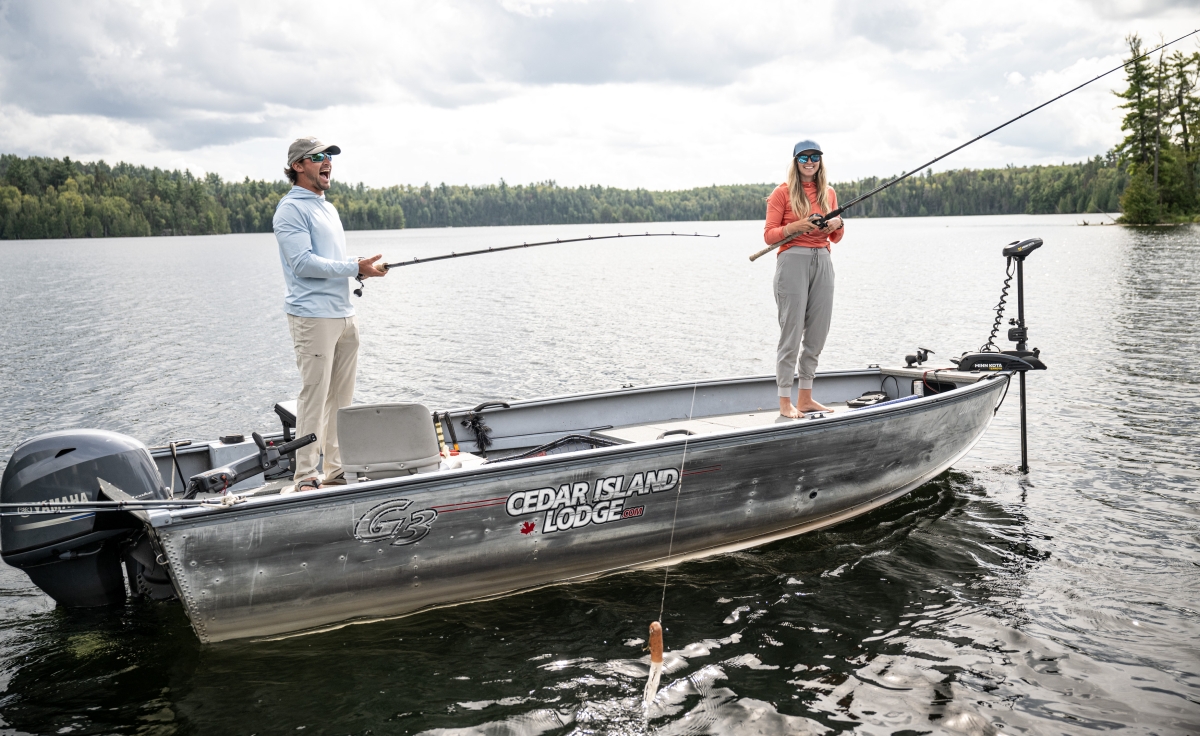
Rod and Reel Selection
Choose gear based on your target species and fishing environment:
- Light tackle for panfish and trout
- Medium setups for bass and walleye
- Heavy-duty gear for large freshwater or saltwater species
Tackle Essentials
Every angler should carry:
- Assorted hooks
- Sinkers and weights
- Bobbers or floats
- Extra fishing line
- Pliers
- Line cutters
- Landing net
- First aid kit
Proven Fishing Techniques
Live Bait Fishing
Live bait remains one of the most effective methods for many species. Common options include:
- Worms
- Minnows
- Crickets
- Shrimp
Natural movement and scent often trigger feeding responses from fish that may ignore artificial presentations.
Artificial Lure Fishing
Artificial lures allow anglers to cover more water and imitate baitfish or prey species.
Popular lure categories include:
- Soft plastics
- Spinnerbaits
- Crankbaits
- Jigs
- Topwater lures
Experimenting with retrieve speed and presentation can help determine what fish prefer on a given day.
Fly Fishing
Fly fishing offers a unique challenge and is particularly effective for trout, salmon, and certain warm-water species. Matching local insect activity often leads to increased success.
Reading Water Like a Professional Guide
Successful anglers learn to identify high-percentage fishing locations.
Look for:
- Structure such as fallen trees and submerged timber
- Rock piles and ledges
- Weed lines
- Drop-offs
- Current breaks
- Points and coves
Fish use these areas for feeding, protection, and ambush opportunities.
Weather and Water Conditions Matter
Weather directly influences fish activity.
Key Factors
Water Temperature: Affects feeding patterns and fish location.
Wind: Can push baitfish into specific areas and improve fishing opportunities.
Barometric Pressure: Changes often trigger feeding activity before storms.
Water Clarity: Influences lure color and presentation choices.
Paying attention to environmental conditions can help anglers adapt and improve results.
Conservation and Responsible Angling
Protecting fisheries ensures future generations can enjoy quality fishing experiences.
Practice responsible angling by:
- Following local regulations
- Respecting catch limits
- Properly handling fish before release
- Disposing of trash responsibly
- Avoiding damage to aquatic habitats
Conservation efforts help maintain healthy fish populations and sustainable recreational opportunities.
Tips for Booking a Guided Fishing Trip
Hiring a professional fishing guide can dramatically shorten the learning curve and increase your chances of success.
Benefits include:
- Local knowledge of productive fishing areas
- Access to quality equipment
- Instruction on effective techniques
- Improved safety on the water
- Greater opportunities to catch target species
Before booking, consider your target species, preferred fishing style, and seasonal conditions to ensure the best possible experience.
Final Thoughts
Fishing offers a rewarding blend of adventure, relaxation, and continuous learning. Whether you're casting from shore, exploring inland lakes, or venturing offshore, preparation and knowledge are key to success. By understanding fish behavior, adapting to changing conditions, and practicing responsible angling, every trip can become a memorable experience.
The next time you head to the water, take a moment to appreciate the environment around you, refine your techniques, and enjoy the journey. After all, fishing is about more than just catching fish—it's about creating stories worth sharing long after the day is over.
Tight lines and happy fishing!

%2Fusers%2Ff9d1d847-248f-47c5-9ca6-4b0acf529895%2Fimages%2Fmysore-fishing-adventure-2370.jpg&w=1920&q=75)
%2Fusers%2Ff9d1d847-248f-47c5-9ca6-4b0acf529895%2Fimages%2Ffishing-mysore-adventure-2714.jpeg&w=1920&q=75)